
Buying off the plan can mean committing to a property months or even years before settlement. During that time, your financial position, lender policies and the final property valuation call change. My Broker & Co can help you understand your borrowing options, prepare for the finance process and review your position again as settlement approaches.

When you buy a property off the plan, you agree to purchase a home before construction has completed. You will generally sign a contract and pay a deposit, with the remaining purchase price due when the property is finished and settlement takes place.
Because settlement may be months or even years away, your borrowing capacity and the value of the completed property can change during that time. It is important to understand the finance requirements early rather than assuming the loan you qualify for today will still be available at settlement.

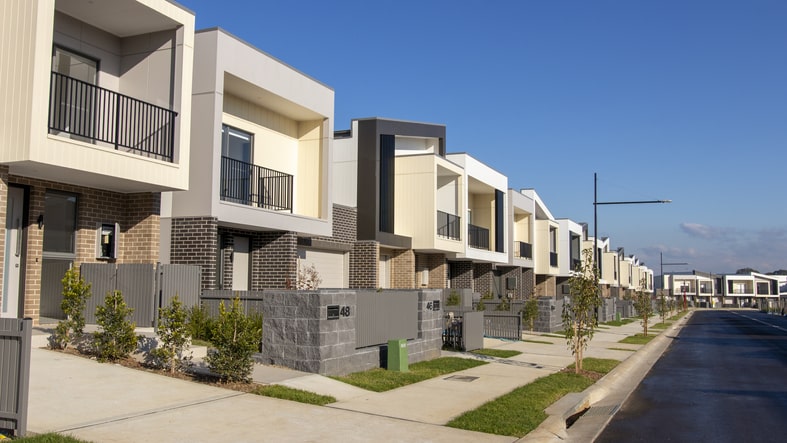
Off-the-plan finance is different from buying an established property because your home loan is generally finalised much closer to settlement rather than when you first sign the contract.
A lender may reassess your income, expenses, existing debts and borrowing capacity before approving the loan. They will also usually require a valuation of the completed property.
My Broker & Co can help you understand your likely borrowing position, compare suitable lenders and prepare the documents required so you are better placed when settlement approaches.
When you purchase off-the-plan, you will usually pay a deposit when you sign the contract, with settlement taking place once the construction is complete.
The amount required, settlement conditions and important dates will depend on your individual contract. Because there can be a long gap between signing and settlement, it is important to understand what you are committing to and when finance will be required.
Before signing an off-the-plan contract, consider obtaining independent legal advice so you understand the conditions, timeframes and your obligations as the buyer.

It can be useful to understand your borrowing position before signing a contract, but formal home loan approval may not remain valid for the entire construction period.
As settlement approaches, your broker can review your current circumstances, compare lenders and help you prepare for formal approval. Changes to your income, expenses, debts, interest rates or lender policies can all affect your borrowing capacity between contract signing and settlement.
The important thing is to not leave the finance process until the final few days before settlement.
A lot can change between purchasing off the plan and receiving the keys. A new job, additional debt, changes to household income, higher living expenses or changes to lender assessment criteria could affect how much you are able to borrow.
If your circumstances change, speak to your broker as early as possible. My Broker & Co can reassess your position and help you understand what lending options may still be available before settlement.
Buying off the plan means agreeing to purchase a property before construction has been completed. You usually sign a contract and pay a deposit, with the remaining purchase price due at settlement once the property is finished. Because settlement can be months or even years away, your financial position, lender policies and the property’s final valuation may change during that time. It is important to understand the finance process early and review your borrowing position again as settlement approaches.
The deposit required for an off-the-plan property depends on the developer, contract and your individual purchase. The deposit amount shown in the contract is separate from the amount a lender may ultimately require you to contribute at settlement. Your loan-to-value ratio, borrowing capacity and the property’s final valuation can all influence how much of your own money you need. A mortgage broker can help you understand your likely contribution and how the deposit fits into the overall finance structure.
It can be helpful to review your borrowing position before signing an off-the-plan contract, but formal home loan approvals generally only remain valid for a limited period. If settlement is a long way away, you may need to complete the formal application closer to completion. As settlement approaches, your broker can reassess your circumstances, compare suitable lenders and help organise the documents needed for approval. Starting the conversation early can make it easier to identify ant potential finance issues before settlement is due.
You may be able to obtain home loan pre-approval when buying off the plan, but it is important to remember that pre-approval is usually conditional and does not guarantee finance at settlement. If the development takes a long time to complete, the pre-approval may expire and your financial position may need to be reassessed. Changes to income, expenses, debts, interest rates or lender policies can all affect your borrowing capacity. A broker can help you understand what pre-approval means and when formal approval should be arranged.
Before settlement, the lender will generally arrange a valuation of the completed property. If that valuation is lower than the purchase price in your contract, the lender may be willing to lend less than expected. This can create a valuation shortfall, meaning you may need to contribute additional funds to complete the purchase. Because off-the-plan properties can be purchased well before completion, it is important to review your finance position early and understand how a lower valuation could affect your home loan and settlement.
Your borrowing capacity can change between signing an off-the-plan contract and settlement. Changes to your income, living expenses, employment, debts, interest rates or lender assessment criteria may affect how much you can borrow. If your borrowing capacity falls, your original finance expectations may no longer match what a lender is prepared to offer. If your circumstances change, speak with your mortgage broker as early as possible so they can reassess your position, compare alternative lender options and help you understand the possible impact before settlement.
Yes, first home buyers can purchase property off the plan, provided they meet the contract requirements and can obtain suitable finance for settlement. Depending on the state or territory, some first home buyers may also be eligible for government assistance, grants or stamp duty concessions, although eligibility rules can change. Buying off the plan can involve a longer period between contract signing and settlement, so it is especially important for first home buyers to understand their deposit, borrowing capacity, likely costs and finance timeline before committing.
In addition to the purchase price and deposit, you may need to budget for costs such as stamp duty, conveyancing or legal fees, loan fees, valuation costs, settlement adjustments and other property-related expenses. The exact costs will depend on the property, lender, location and your circumstances. You should also allow for the possibility that the property’s final valuation is lower than the contract price, which could increase the amount you need to contribute. Understanding these costs early can help you plan for settlement with more confidence.
Whatever your circumstances, we will find the deal that’s right for you.
Send through a quick enquiry and we will be in touch.